
FORT PUTNAM AND THE GREAT CHAIN
Updated: Jun 27
Real Places Behind THE QUEST OF KIP SAUNDERS
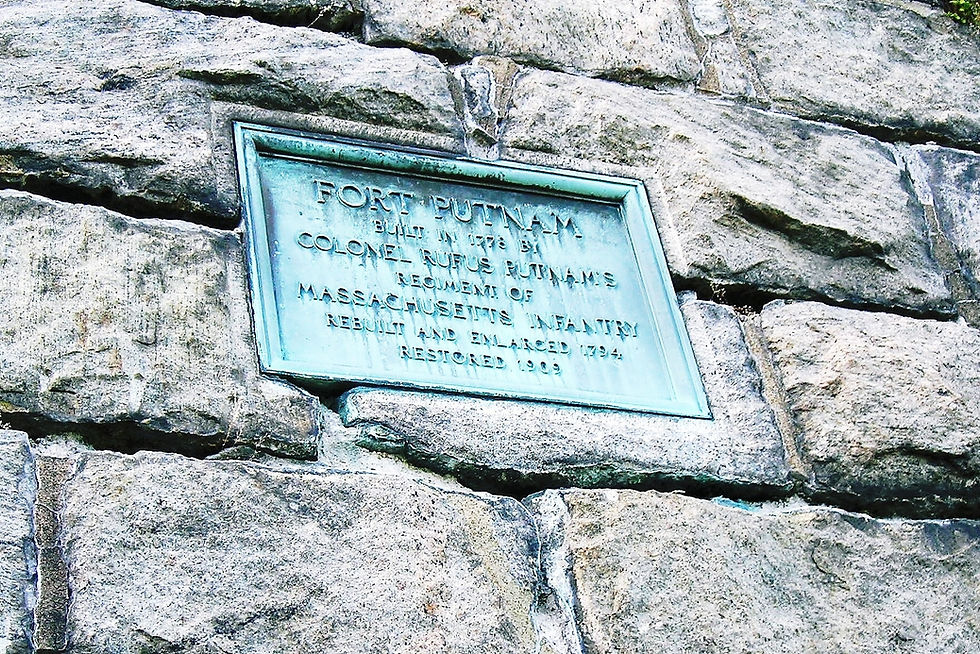
Early in THE QUEST OF KIP SAUNDERS, Fort Putnam becomes a pivotal setting for the main character. Built in 1778 by Colonel Rufus Putnam's 5th Massachusetts Regiment, the historic fortification rests atop Crown Hill overlooking West Point. Rising about 500 feet above the Hudson River, it was designed to prevent the British from controlling the Hudson River Valley and carrying out their plan to divide the colonies by securing the waterway between New York City and Canada.
George Washington famously called the sharp S-curve in the Hudson River at West Point the "Key of America." To protect it, the Continental Army stretched a 150-ton Great Chain across the river to block British warships from sailing upstream. Washington also relied on the brilliant Polish military engineer General Tadeusz Kościuszko to strengthen the defenses on the surrounding high ground, making Fort Putnam virtually impregnable.
With cannons and mortars positioned around the fort, the British understood that a direct assault would come at a terrible cost. Instead, they chose to avoid attacking West Point altogether, even after Benedict Arnold attempted to betray the fortress to the enemy. The British shifted their efforts elsewhere, and the Hudson Highlands remained securely in American hands.
left: Near where the Great Chain was stretched; middle: Link of the Great Chain at Trophy Point; right: Statue of General Kościuszko near Trophy Point.
The War for American Independence officially ended on September 3, 1783, with the signing of the Treaty of Paris. Nineteen years later, in 1802, the United States Military Academy was established at West Point. Today, the ruins of Fort Putnam still overlook the Academy, serving as a reminder that every generation is called upon to safeguard the freedoms secured by those who came before.
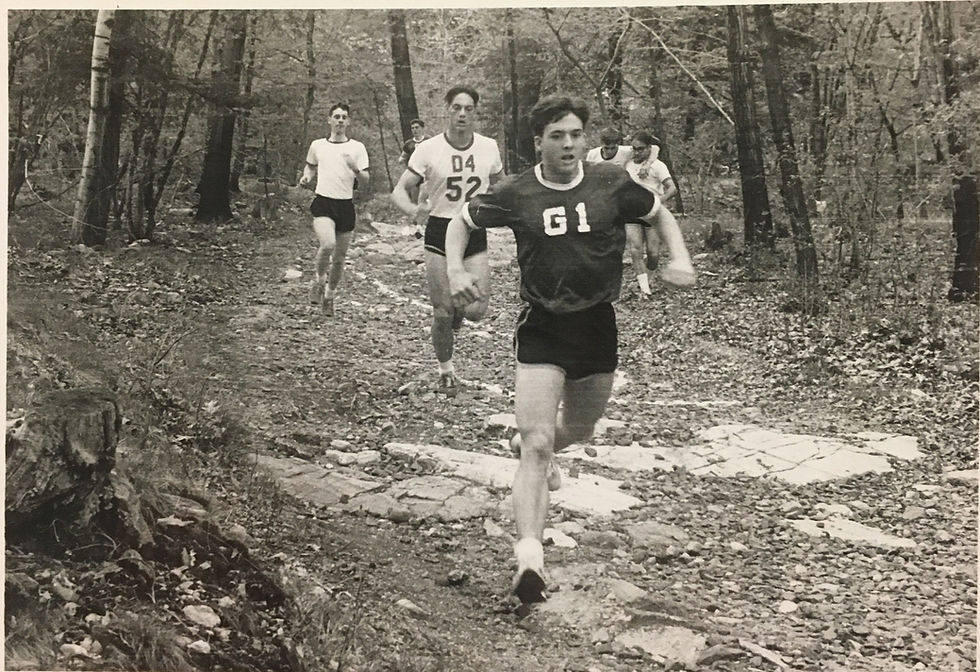
As a cadet, I occasionally hiked the trail leading to Fort Putnam. One year, I even competed for the G-1 Gophers in a cross-country intramural race that climbed to and circled the fort before plunging back down the mountain. I still remember nearly losing my footing on the steep descent.
The fort—and that race—reminded me then, as they do now, how fragile we are and how important it is to be prepared when life demands courage.
But I'm not speaking only of military battles.
There is another kind of fight for which we all must prepare: the fight to do what is right, to resist what is wrong, to be kind when we don't feel like it, to be honest when we're tempted to lie, to remain humble when pride beckons, to persevere when we want to quit, to love when our first impulse is to hate, and to trust God when life doesn't unfold as we hoped.
That raises an important question: How do we prepare for that kind of battle?
Henry Wadsworth Longfellow offered one answer:
Whene'er a noble deed is wrought,
Whene'er is spoken a noble thought,
Our hearts, in glad surprise,
To higher levels rise.
Honor to those whose words or deeds
Thus help us in our daily needs,
And by their overflow
Raise us from what is low!
I believe Longfellow is reminding us that character is built through practice. Noble actions and noble words do not happen by accident. We grow by choosing them repeatedly and by surrounding ourselves with people who inspire us to become better than we are.
And if I may add one more thought: pray. Pray often. We are strongest when we recognize that we do not fight life's most important battles alone.
Kip's visit to Fort Putnam in THE QUEST OF KIP SAUNDERS forces him to confront the battles he can no longer avoid—battles that have little to do with armies and everything to do with the human heart.


Comments